Choosing the right premises is one of the first and most critical steps when opening any school, especially a children's ballet school. The success of your studio, from student enrollment to the overall atmosphere, safety, and comfort for young artists and their parents, largely depends on its location. Lil Ballerine, an international network of ballet schools with over 100 branches, has accumulated extensive experience in this area. We understand the key factors and are ready to share this knowledge with those considering a small business franchise or looking to open their own children's center.
This article serves as your comprehensive guide to selecting the ideal space for a ballet school. We will cover all aspects: from choosing the right neighborhood and space requirements to ensuring safety and analyzing parent traffic. If you're looking to buy a franchise that offers real value and stable income, understanding these nuances is your first step toward success.
Key Factors When Choosing Premises for a Ballet School
Opening a ballet school is more than just renting a room. It's about creating a space where children can develop, learn discipline, grace, and a love for art. The Lil Ballerine "Ballet and Fairytale" methodology requires a special approach to space organization, where every detail matters: from lighting and acoustics to safety and parent convenience.
When selecting premises for your future ballet school, whether through a children's school franchise or opening your own center, a comprehensive analysis of factors is essential. Relying solely on intuition or an attractive rental price is not enough. Thorough analysis and planning distinguish a successful business from a failing one.
1. Neighborhood and Accessibility: Where to Find Your Future School?
Location is arguably the most important aspect. Where will your future students come from? Which neighborhoods are most attractive to families with children? When choosing a neighborhood for a ballet school, consider the following criteria:
- Densely Populated Residential Areas: Look for areas with a large number of families with preschool and early school-aged children. This could include new residential developments or established neighborhoods with favorable demographics.
- Presence of Kindergartens and Schools: The more educational institutions nearby, the higher the likelihood that parents picking up their children will be interested in your studio. This creates a natural flow of potential clients.
- Competitive Environment: Investigate if there are other children's studios, sports clubs, or art schools in the vicinity. Some competition is normal, indicating demand. However, if the area is oversaturated with similar offerings, consider another location or a strong unique selling proposition. Our Lil Ballerine children's ballet school franchise, with its unique "Ballet and Fairytale" methodology, is precisely such a proposition.
- Transport Accessibility: It should be convenient for parents to bring children to classes. The availability of public transport stops, easy access roads, and parking spaces all play a role. Consider how often parents will drive versus use public transport.
- Neighborhood Safety: The area around the school must be safe. Good lighting, the absence of high-crime areas, and the presence of pedestrian crossings are important for parental peace of mind.
Based on our experience, even in small towns with populations under 200,000, a ballet school can be successfully opened with the right location choice. For such towns, the franchise cost is 250,000 ₽, making it accessible for small businesses.
2. Size and Layout: Creating the Ideal Dance Space
The size of the premises directly impacts the number of groups you can organize and, consequently, your potential revenue. For a ballet school, especially one using the "Ballet and Fairytale" method, not only the area but also its functionality is crucial.
- Dance Studio Size: The minimum recommended area for comfortable classes is 40-50 sq.m. This is sufficient for 10-15 children per group with an instructor, providing adequate space for movement. The studio should be spacious enough for children to perform basic movements freely.
- Ceiling Height: Ideally, ceilings should be high (from 3 meters) to create a sense of spaciousness, which is better suited for choreography classes.
- Changing Rooms: Separate, spacious, and well-equipped changing rooms for boys and girls are mandatory. They should be clean, bright, and have enough hooks or lockers.
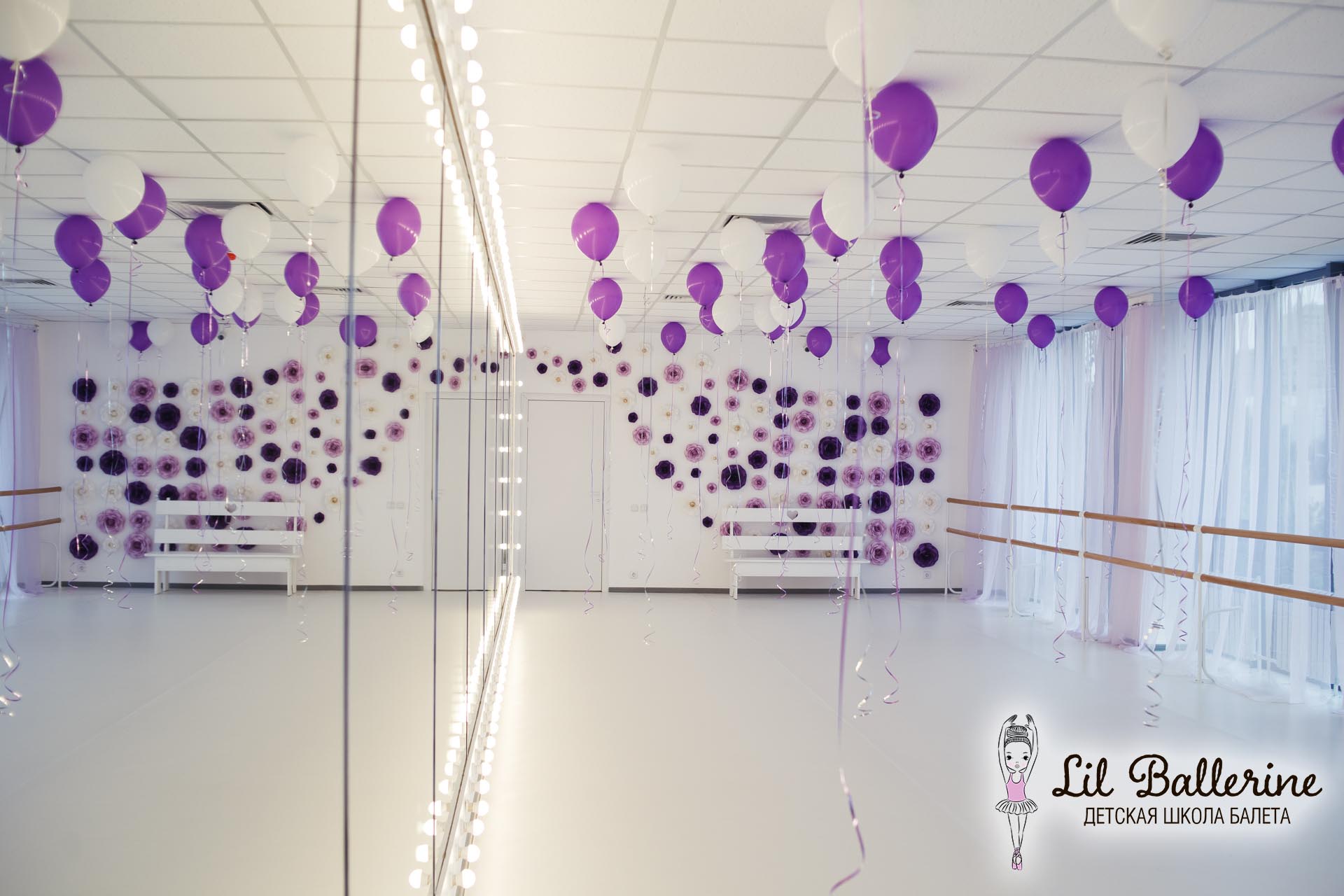
- Parent Waiting Area: Plan a comfortable space for parents to wait while their children are in class. This could be a small lounge with sofas, coffee tables, and perhaps a water cooler. It's important that the waiting area is separate from the dance studio to prevent noise from disturbing classes.
- Administrative Area: A small office for the administrator or manager to conduct consultations, take calls, and handle paperwork.
- Restroom: A clean and functional restroom for children and staff.
- Additional Spaces: If possible, consider a small room for storing equipment (mats, music equipment) or for conducting additional workshops.
Depending on the city and its population, Lil Ballerine franchise entry packages vary. For cities with populations up to 200,000, the cost is 250,000 ₽; for cities over 200,000, it's 650,000 ₽. This includes not only the right to use the brand but also detailed support throughout the launch process, including assistance with finding suitable premises.
3. Safety: The Top Priority
When it comes to businesses for children, safety must come first. Parents entrust you with their most precious asset, and you must provide them with maximum confidence.
- Fire Safety: Availability of fire extinguishers, fire alarms, and evacuation routes compliant with regulations. The premises must meet all fire inspection requirements.
- Anti-Terrorism Protection: Intercom system, video surveillance (especially at entrances and exits), and access control.
- In-Premises Safety:
- Flooring: Dance studios should ideally have specialized flooring that provides cushioning and prevents slipping (e.g., sports linoleum or parquet).
- Absence of Sharp Corners: Furniture in waiting areas and changing rooms should be safe.
- Electrical Safety: All outlets should be covered with safety plugs, and wiring must be securely insulated.
- Ventilation and Air Conditioning: Ensuring a comfortable microclimate in the studios, especially during warmer months.
- Compliance with Sanitary Norms: Regular cleaning, disinfection, and availability of hygiene products.
When purchasing a Lil Ballerine franchise, you receive not only the brand and methodology but also detailed instructions on safety measures and support in getting the premises approved by relevant authorities. This is part of our ready-made business model, designed to minimize risks.
4. Parent Traffic and Target Audience: Where Do Your Future Clients Live?
For your ballet school to be successful, you need students. Students mean children, and therefore, their parents. Where do these parents spend their time, and which areas do they choose to live in?
- New Developments and Actively Developing Areas: These areas typically have many young families with children, who form your primary target audience.
- Areas with Developed Children's Infrastructure: The presence of playgrounds, parks, and shopping/entertainment centers with children's zones indirectly indicates a high concentration of families with children.
- Socio-Demographic Profile: Research the income levels in the area. Parents willing to invest in their children's additional education often choose areas with middle to upper-middle-class incomes.
- Logistical Convenience for Parents: Consider how parents will get to your school. If it's an area where many parents work or live, and it's convenient for them to stop by on their way home or to work, that's a significant advantage.
Our children's ballet school franchise includes active marketing support at the launch stage. The network's goal is to generate over 100 pre-registration inquiries even before opening. This is achieved through a well-thought-out acquisition strategy that begins with the right location choice.
5. Technical Requirements for the Premises
In addition to general requirements, specific technical aspects must be considered when selecting premises for a ballet school:
- Electrical Capacity: Sufficient electrical power may be needed for music equipment, lighting, air conditioning, and other appliances. Clarify this with the landlord or property owner.
- Water Supply and Sewage System: Essential for restrooms and potentially a small staff area.
- Ventilation and Air Conditioning System: Crucial for maintaining a comfortable temperature and air exchange in the dance studios.
- Soundproofing: While ballet isn't a noisy activity, good soundproofing helps avoid disturbing neighbors and creates a more comfortable atmosphere within the school.
- Lighting: Dance studios should have good natural and artificial lighting. Ideally, the brightness should be adjustable.
- Mirrors: Mirrors are mandatory in dance studios. Their size and number should meet standards.
When launching with the Lil Ballerine franchise, we provide detailed technical specifications and recommendations for equipping the studios, simplifying the premises preparation process.
Practical Checklist: How to Choose the Ideal Premises?
To systematize the selection process, we've prepared a checklist for you. Go through each point before making a final decision.
1. Neighborhood Analysis:
- [ ] Population density (target audience: families with children)
- [ ] Proximity to kindergartens and schools
- [ ] Competitive environment (competitor analysis)
- [ ] Transport accessibility (public transport, parking)
- [ ] Neighborhood safety (lighting, absence of high-crime areas)
- [ ] Socio-demographic profile of the population
2. Premises Evaluation:
- [ ] Total area (compliance with standards and your plans)
- [ ] Dance studio area (minimum 40-50 sq.m.)
- [ ] Ceiling height (preferably from 3 m)
- [ ] Layout: presence of changing rooms (separate for boys/girls), waiting area, administrative zone, restroom
- [ ] Condition of renovation (initial investment)
- [ ] Technical specifications (electricity, ventilation, heating)
- [ ] Presence and condition of mirrors
- [ ] Flooring (presence or possibility of replacement)
3. Safety:
- [ ] Compliance with fire safety regulations
- [ ] Presence of video surveillance and access control systems
- [ ] Safety of flooring and furniture
- [ ] Compliance with sanitary norms
4. Legal Aspects:
- [ ] Possibility of signing a long-term lease agreement
- [ ] Understanding lease terms (cost, indexation, utility payments)
- [ ] Permit for educational activities (if required)
5. Financial Calculations:
- [ ] Rent and utility costs
- [ ] Renovation costs (if necessary)
- [ ] Equipment costs (mirrors, ballet barres, music equipment, furniture)
- [ ] Total initial investment in premises
This checklist will help you structure information and make an informed decision. When purchasing a Lil Ballerine franchise, we assist our partners in navigating these stages by providing expert support and ready-made solutions.
Common Mistakes When Choosing Premises and How to Avoid Them
Even with a checklist, entrepreneurs often make mistakes that can be costly. Let's look at the most common ones:
- Ignoring Neighborhood Analysis: Choosing premises solely based on "cheap and close to home." This results in a lack of traffic and low attendance.
- Underestimating Space Requirements: Selecting a space that is too small to comfortably accommodate groups or equipment.
- Neglecting Safety: Cutting costs on safety systems or ignoring regulations. This can lead to child injuries and loss of parental trust.
- Incorrect Flooring Choice: Slippery floors or those unsuitable for dancing increase the risk of injuries.
- Lack of a Waiting Area: Parents who have nowhere comfortable to wait may choose not to attend your school.
- Ignoring Technical Requirements: Insufficient electrical capacity, poor ventilation - all can lead to additional costs for premise modifications.
- Lease Agreement Too Short: The risk of losing the premises at the height of operations without recouping investments.
How to Avoid These Mistakes?
- Conduct Thorough Analysis: Take the time to study the neighborhood, competitors, and demographics.
- Plan for the Future: Choose a space with room for expansion if you plan to grow.
- Prioritize Safety: Do not cut corners on safety. It's your reputation and legal standing.
- Consult Experts: When buying a franchise, this is the franchisor's responsibility. Lil Ballerine provides full support in selecting and preparing premises.
- Read Lease Agreements Carefully: Consult with a lawyer if you are unsure about the wording.
The Lil Ballerine franchise is not just a ready-made business model; it's a support system that helps avoid many common mistakes made by new entrepreneurs. We share our experience to ensure your launch is as successful as possible.
Premises Economics: How Do Costs Affect the Business?
Premises costs represent a significant portion of initial investments and ongoing monthly expenses. Understanding this relationship is critical for calculating franchise payback periods.
Initial Investment in Premises:
- Security Deposit: Typically 1-3 months' rent.
- Renovation and Finishing: Costs vary depending on the premises' condition and your ambitions. For a ballet school, creating a pleasant, bright, and motivating atmosphere is important.
- Equipment: Ballet barres, mirrors, music equipment, furniture for changing rooms and waiting areas.
- Permit Acquisition: If required, costs for obtaining necessary permits.
Monthly Expenses:
- Rent: The primary expense.
- Utilities: Electricity, heating, water, waste disposal.
- Operating Expenses: Maintenance of ventilation systems, cleaning services.
- Franchise Royalties: At Lil Ballerine, royalties are 6% of turnover. For example, with a turnover of 1,260,000 ₽ per month, royalties would be 37,800 ₽.
How Premises Affect Payback:
- Location: Premises in a high-traffic area with good access to the target audience will allow for faster student enrollment and a shorter payback period.
- Size and Number of Studios: A larger space can accommodate more groups, increasing potential revenue, but also higher rental costs.
- Premises Condition: A space requiring minimal renovation reduces initial investments and accelerates the path to operational profit.
Financial Model Example for a School in a City Under 500,000 Residents (Lil Ballerine Data):
- 21 groups, 12 children per group = 252 students.
- Average monthly fee 5,000 ₽ (7,000 ₽+ in Moscow).
- Estimated Turnover: 252 students * 5,000 ₽ = 1,260,000 ₽ per month.
- Basic Expenses: Rent 160,000 ₽, salaries 165,000 ₽, royalties 37,800 ₽ (6%).
- Estimated Operating Profit: 897,200 ₽ per month before other expenses.
It's important to understand that this is an example model. Actual figures depend on the city, chosen location, marketing efforts, and management efficiency. When purchasing a Lil Ballerine children's ballet school franchise, you receive a detailed financial plan and support in adapting it to your specific city.
Additional Monetization and How Premises Can Help
Beyond core ballet classes, the Lil Ballerine school offers several additional monetization avenues that can significantly increase business profitability:
- Body Ballet for Adults: A separate group that can train concurrently with children's classes or at other convenient times.
- Paid Photoshoots: Organizing professional photoshoots in ballet costumes.
- Sale of Branded Apparel and Merchandise: Producing your own clothing and merchandise can generate additional income of over 500,000 ₽ per year.
- Tickets for Recitals: Organizing performances with ticket sales.
How Premises Can Facilitate This:
- Spacious Studios: Allow for events with a large number of participants and spectators.
- Photo Zones: Opportunity to set up themed photo zones in the waiting area or a separate space.
- Merchandise Display: Space for showcasing and selling branded products.
- Parent Convenience: If parents feel comfortable in your school, they are more likely to participate in additional activities and purchase related items.
Buying a Lil Ballerine franchise means gaining access to proven additional monetization mechanics and support in their implementation.
Questions to Ask the Franchisor Before Buying a Franchise
If you are considering to buy a franchise, especially a small business franchise or a franchise for moms, it's crucial to ask the right questions. Here are some regarding premises selection and general aspects:
What are your franchise's requirements for premises?
Clarify the minimum and optimal requirements for area, layout, and technical specifications. How flexible are these requirements?
Do you provide assistance in finding and selecting premises?
Do you have a database of available properties, or do you help analyze locations and negotiate with landlords?
What are the required investments for premises and equipment?
Obtain a detailed breakdown of costs based on different scenarios (e.g., a city under 200,000 residents versus a metropolitan area).
What is your support model for marketing and student acquisition during the launch phase?
How do you help achieve the goal of 100+ pre-opening inquiries?
What is your unique methodology, and how does it differ from other schools?
How in-demand is it, and how does it affect student retention?
What is the breakdown of expenses and revenues in your financial model?
What assumptions is it based on (number of groups, average fee, occupancy rate)?
What support do you offer post-launch? (CRM, staff training, marketing)
How is the training for teachers and administrators organized?
What are your terms for the initial franchise fee and royalties? Are there any hidden fees?
Clarify what is included in the initial fee and how royalties are calculated.
Lil Ballerine provides comprehensive information on all these questions. Our goal is transparency and a willingness for open dialogue with every potential partner looking to buy a ready-made business franchise.
FAQ: Answers to Your Key Questions
1. What is the minimum space required to open a Lil Ballerine ballet school franchise?
The minimum recommended area for a dance studio is 40-50 sq.m. The total premises area will depend on the presence of changing rooms, a waiting area, and an administrative zone, but typically ranges around 100-150 sq.m.
2. What are the safety requirements for the premises?
The premises must comply with all fire safety and sanitary regulations. Safe flooring, absence of sharp corners, and reliable electrical wiring are important. We provide detailed recommendations for ensuring safety.
3. How do I choose a neighborhood for a ballet school?
Focus on residential areas with high population density and the presence of kindergartens and schools. Good transport accessibility and safety are crucial.
4. Can I open a ballet school in a space without a separate entrance?
Yes, this is possible if the space is located in a residential building or a building with a common entrance, but has a designated area for your school and the possibility to place signage. The main thing is that the entrance is convenient for parents and children.
5. What are the main premises-related expenses when buying a franchise?
Initial expenses include the security deposit, renovation (if needed), and equipment purchase (ballet barres, mirrors, music equipment). Monthly expenses include rent, utilities, and royalties.
6. How long does it take to select and prepare the premises?
The process can take from several weeks to several months, depending on the availability of suitable premises in your city and the speed of decision-making. Our support team will guide you through each stage.
7. How do the premises affect franchise payback?
A correctly chosen location with good foot traffic and a reasonable rent cost directly impacts the speed of student enrollment and, consequently, the payback period. Our partners receive calculations that consider these factors.
8. Do you have examples of successful schools opened in unique spaces?
Yes, our network has over 100 branches, many of which were opened in various types of premises. We are happy to share our experience and show how space can be adapted for a ballet school's needs.
9. What legal support do you provide regarding lease agreements?
We offer recommendations for lease agreement drafting and assist in analyzing key clauses to protect our partners' interests.
10. What additional business areas can be developed in a ballet school, and how are they related to the premises?
Body Ballet for adults, merchandise sales, and photoshoots require additional space or smart organization of existing areas. Spacious studios and a comfortable waiting area facilitate their development.
Take the First Step Towards a Successful Business with Lil Ballerine
Choosing the right premises is the foundation of your future ballet school. A well-selected location, functional space, and safety are key to attracting students and earning their trust. If you dream of opening your own children's center or are looking to buy a franchise that truly works, consider Lil Ballerine.
We offer not just a children's ballet school franchise, but a proven ready-made business model with the unique "Ballet and Fairytale" methodology, full support at all stages of launch and development, and a well-thought-out marketing strategy. Our goal is to help you create a successful and profitable business that brings joy to children and their parents.
Ready to learn more about opening your own ballet school with the Lil Ballerine franchise? Submit a request on our website, and we will contact you to discuss all the details and answer your questions. Join our successful team and start your journey in the world of children's business!