The Foundation of Success: Why Your Studio Location Matters Most
For international investors and entrepreneurs eyeing the lucrative children's education sector, a children's ballet franchise like Lil Ballerine presents a unique blend of passion and profit. However, the cornerstone of any successful physical business, especially one catering to young children and their families, is its location and premises. This isn't merely about finding a space; it's about making a strategic investment that directly impacts operational efficiency, student enrollment, and ultimately, your return on investment.
As a global leader with over 100 studios, Lil Ballerine understands that the right environment fosters growth, safety, and a magical learning experience. This guide delves into the critical considerations for selecting and outfitting your Lil Ballerine studio, ensuring you build a thriving business from the ground up.
Beyond Square Footage: Key Considerations for Your Ballet Studio
While the total area is a primary concern, the quality and configuration of that space are equally vital. Lil Ballerine's proven model emphasizes creating an optimal environment for its unique "Ballet and Fairy Tale" methodology, which blends classical ballet training with imaginative storytelling.
1. The Dance Hall: Where Magic Happens
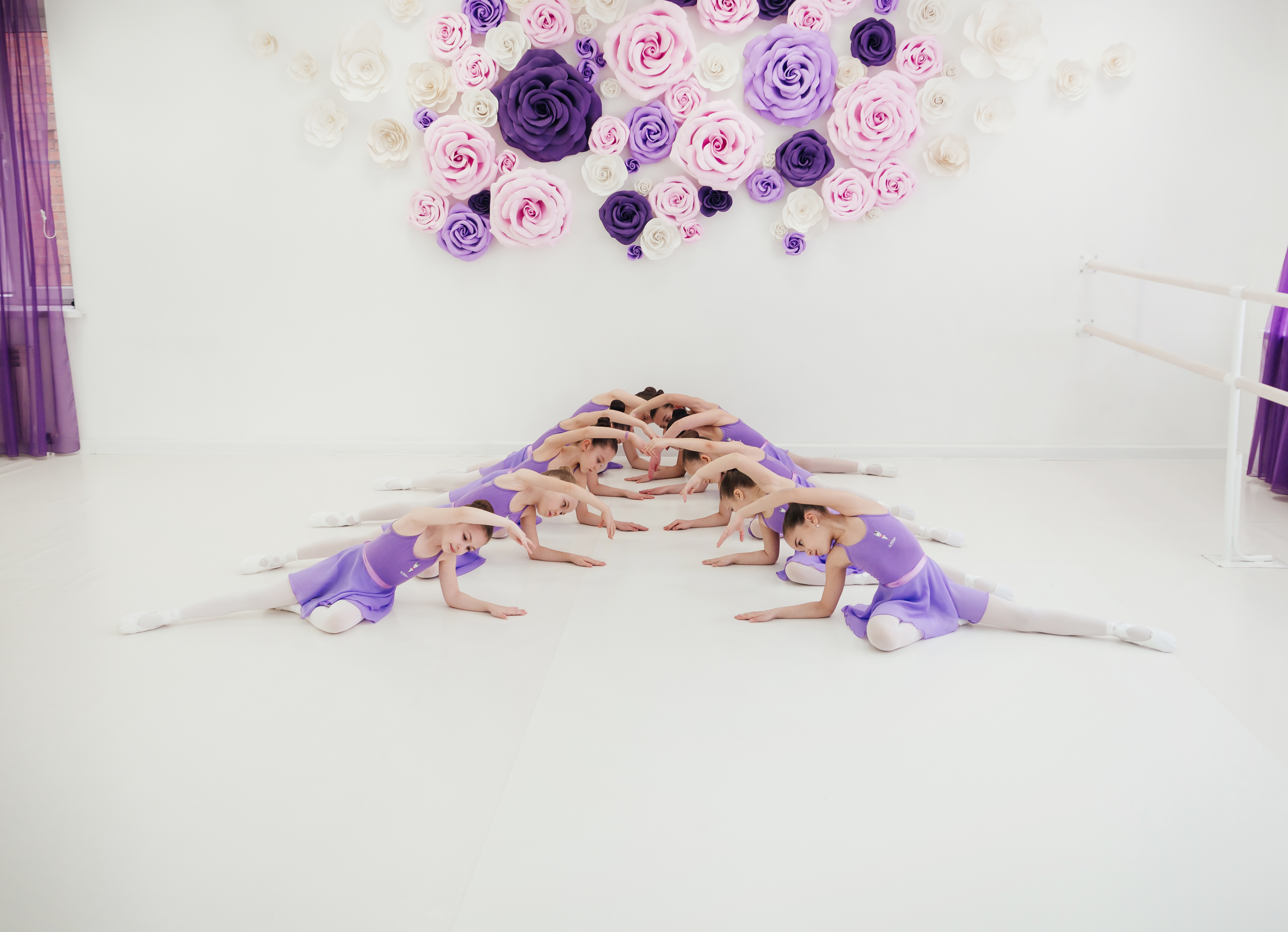
The dance hall is the heart of your studio. It must be a safe, inspiring, and functional space. For a group of 12-15 children, a minimum of 50-60 sq. m. (approximately 538-645 sq. ft.) is recommended. This allows ample room for movement, exercises at the barre, and center work.
- Ceiling Height: Crucially, ceilings should be at least 3.5-4 meters (11.5-13 feet) high. This provides a sense of spaciousness, allows for proper lighting, and prevents any feeling of confinement.
- Flooring: This is non-negotiable. Professional ballet flooring is essential. It must be:
- Amortizing: To absorb impact, protecting children's joints and spines.
- Anti-slip: To prevent injuries during dynamic movements.
- Resilient: Offering comfort for jumps and turns.
- Mirrors: Large, distortion-free mirrors covering a significant portion of one or more walls are vital. They allow students to observe and correct their posture and technique. Safety-backed mirrors are a must.
- Barres: Adjustable-height barres are critical for children of varying ages and heights. Single-row barres, typically around 1.1 meters (3.6 feet) high, are standard.
- Acoustics & Lighting: Clear acoustics ensure students hear music and instructions. Lighting should be bright and even, without glare on mirrors, and ideally a combination of general and task lighting.
- Climate Control: Maintaining a comfortable temperature of 18-20°C (64-68°F) with good ventilation or air conditioning is essential for student comfort and health.
2. Changing Rooms: Comfort and Convenience
Well-designed changing rooms enhance the overall experience for children and parents. They should be easily accessible from the dance halls.
- Size: Plan for approximately 8-10 sq. m. (86-107 sq. ft.) per 10-15 students in a typical class.
- Configuration: Depending on local regulations and student demographics, consider separate changing rooms for boys and girls, or a shared space with individual changing cabins for very young children.
- Amenities: Adequate lockers or hanging spaces, comfortable seating, and mirrors are necessary. Good ventilation and easy-to-clean surfaces are paramount for hygiene.
- Safety: Ensure child-friendly design with no sharp corners and safe, non-slip flooring.
3. The Waiting Area: First Impressions and Parent Engagement
The waiting area is more than just a lobby; it's a critical touchpoint for parents and a reflection of your brand. It should be welcoming, comfortable, and informative.
- Spaciousness: It must comfortably accommodate parents without feeling cramped.
- Comfort: Provide comfortable seating (sofas, armchairs), perhaps a water cooler, and a small, safe play area for siblings or children arriving early.
- Information Hub: Utilize this space for branded displays, class schedules, information about the "Ballet and Fairy Tale" methodology, and student achievements.
- Transparency: If feasible, a viewing window from the waiting area into the studio can build parent trust and allow them to observe classes.
- Safety: Like all areas, ensure it's safe for children who may be present.
4. Supporting Spaces: Operational Efficiency
Don't overlook the importance of these areas for smooth operations:
- Administrative Office: A dedicated space for managing inquiries, registrations, and administrative tasks.
- Rehearsal/Private Lesson Room: A smaller studio for individual coaching or teacher rehearsals.
- Staff Break Room: A comfortable area for instructors to rest between classes.
- Restrooms: Sufficient, clean, and child-friendly restrooms for students and staff.
- Cloakroom: A designated area for outerwear and shoes, if not integrated into changing rooms.
Strategic Location Selection: Beyond the Four Walls
The physical attributes of your studio are vital, but its geographical location is equally critical for market penetration and sustained growth. Lil Ballerine's extensive experience highlights these key factors:
1. Demographics and Accessibility
- Target Audience Density: Prioritize areas with a high concentration of families with preschool and early school-aged children (2-12 years old) who value extracurricular education. Research local population data and family income levels.
- Neighborhood Profile: Seek out quiet, safe, and reputable residential areas.
- Transport Links: Excellent public transport access, easy drop-off zones, and sufficient parking (even short-term) are significant advantages for busy parents.
2. Safety and Infrastructure
- Premises Safety: Conduct thorough checks for fire safety, security systems, and overall structural integrity. Ensure all utilities are up to code.
- Local Amenities: Proximity to kindergartens, schools, and other children's activity centers can create a synergy, attracting your target demographic. However, carefully assess the competitive landscape.
3. Market Demand and Competition Analysis
- Demand Assessment: Before committing, gauge local demand for children's ballet. Lil Ballerine supports its franchisees with pre-launch marketing strategies designed to generate significant interest (e.g., 100+ pre-registrations) even before opening.
- Competitor Landscape: Analyze existing dance schools or children's activity centers. Understand their offerings, pricing, and reputation. Lil Ballerine's unique "Ballet and Fairy Tale" methodology provides a strong differentiator in a competitive market.
4. Technical Specifications
- Electrical Capacity: Ensure sufficient power for lighting, sound systems, and climate control.
- HVAC: A robust heating, ventilation, and air conditioning system is essential for maintaining a comfortable and healthy environment.
- Soundproofing: Consider the impact of music and activity on neighboring tenants and ensure external noise doesn't disrupt classes.
Choosing a Lil Ballerine franchise means you're not alone in this critical decision. Our team provides comprehensive support in site selection and evaluation, significantly mitigating risks and accelerating your launch.
Optimizing Your Layout: A Blueprint for Success
Even with ample space, an intelligent layout maximizes functionality and flow:
- Welcoming Entrance & Waiting Area: Positioned for easy access and a positive first impression.
- Dance Halls: Strategically located for minimal disruption, ideally with soundproofing. Consider having two halls of different sizes for flexibility.
- Changing Rooms & Restrooms: Conveniently located near the dance halls and main corridor.
- Administrative Zone: Near the entrance for easy parent interaction.
- Utility/Storage Rooms: Tucked away in less trafficked areas.
Professional architectural planning, considering load-bearing walls, windows, and utility lines, is crucial to avoid costly future renovations.
Mitigating Risk: Validating Demand Before You Lease
Signing a lease is a significant commitment. Lil Ballerine empowers its partners to validate market demand proactively:
- Pre-Enrollment Campaigns: Leverage Lil Ballerine's proven marketing strategies to generate interest and secure pre-registrations before opening. This provides tangible proof of demand.
- Local Market Research: Conduct surveys with local parents, analyze competitor offerings, and assess pricing strategies.
- Targeted Digital Marketing: Run localized online campaigns offering introductory classes or discounts to gauge community interest.
The right premises, combined with a robust business model and brand support, forms the bedrock of a profitable children's ballet franchise. Lil Ballerine's experience across 100+ locations offers invaluable insights to help you avoid common pitfalls and achieve rapid profitability.
FAQ: Your Investment Questions Answered
What is the minimum recommended area for a Lil Ballerine studio?
For a comfortable start with one dance hall, changing room, and waiting area, a total space of 100-150 sq. m. (approximately 1076-1614 sq. ft.) is recommended. The dance hall itself should be at least 50-60 sq. m.
What are the critical flooring requirements for a ballet studio?
The floor must be professional-grade ballet flooring, offering amortization, anti-slip properties, and resilience. Household materials like laminate or tiles are strictly prohibited due to safety concerns.
Is an educational license required for a children's ballet school?
Educational licensing requirements vary by country and region. Lil Ballerine provides guidance and support regarding local regulations, and in many jurisdictions, our partners can operate under Lil Ballerine's established educational framework.
Beyond size, what other factors are crucial for premises selection?
Key factors include location (high density of target families, transport accessibility), safety, excellent ventilation and lighting, and compliance with local health and safety standards.
How does the "Ballet and Fairy Tale" methodology influence premises design?
Lil Ballerine's "Ballet and Fairy Tale" methodology, which combines classical ballet with imaginative play, thrives in an environment that is not only safe and functional but also inspiring and magical. The premises should facilitate this atmosphere, making it a welcoming and enchanting space for young learners.
Choosing the correct premises is a strategic decision that directly impacts the profitability and success of your ballet school. By leveraging Lil Ballerine's expertise and adhering to these criteria, you can create an ideal environment for nurturing young talent and building a thriving business.
If you are ready to launch your own children's ballet school with a proven model, request a detailed financial calculation for your city and discover how to become part of our international network. Explore more about our franchise opportunity at our franchise overview or read the latest news on our blog.